Latest & Greatest

browse recipes

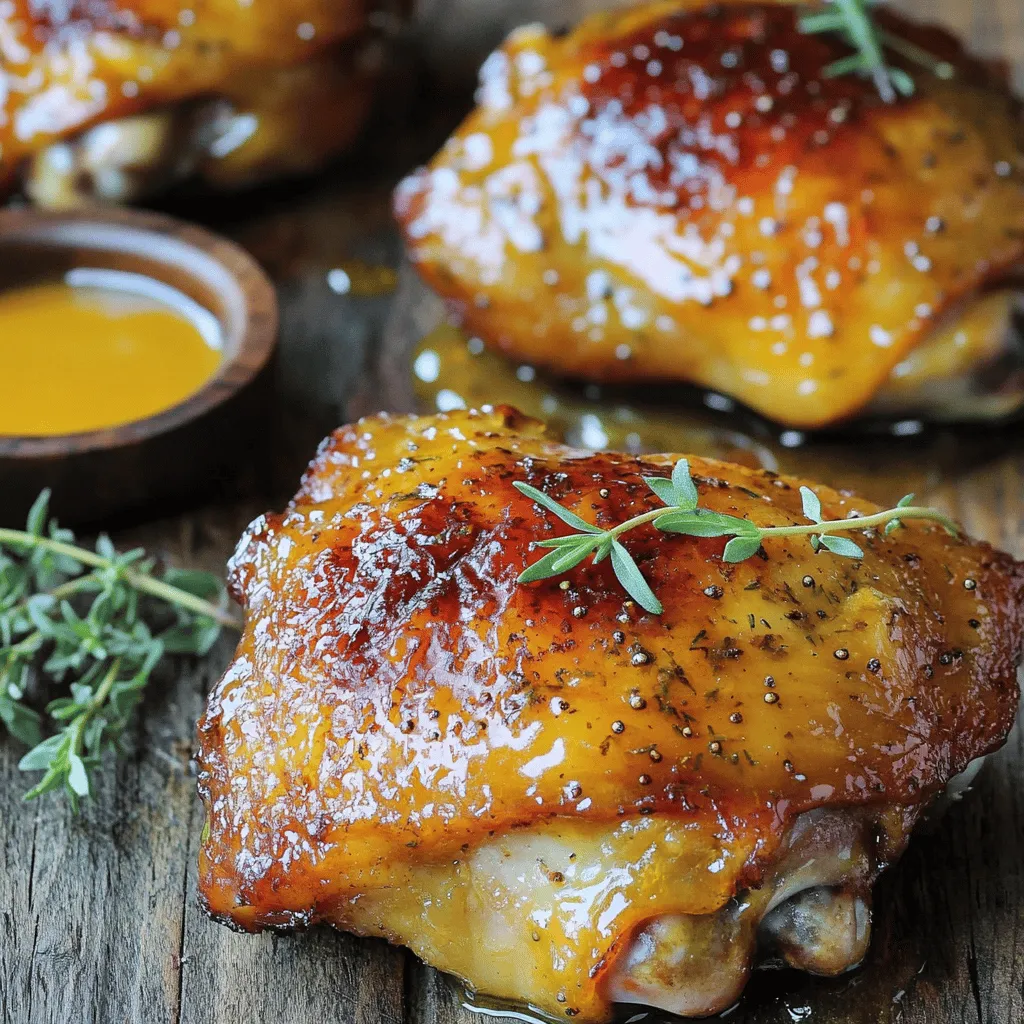
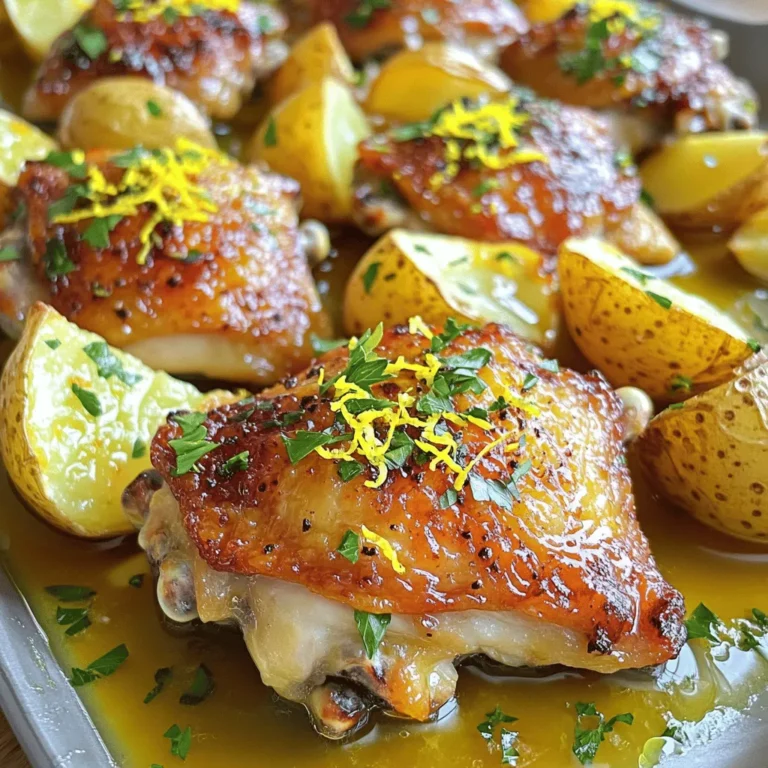
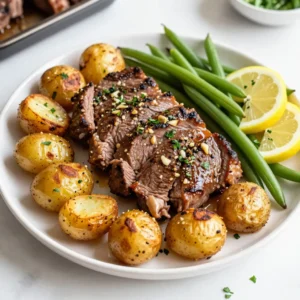
To make Honey Mustard Chicken Thighs, you will need these key ingredients: - 4 bone-in chicken thighs, skin-on - 1/4 cup honey - 1/4 cup Dijon mustard - 2 tablespoons apple cider vinegar - 1 tablespoon olive oil - 3 cloves garlic, minced - 1 teaspoon smoked paprika - Salt and pepper to taste - Fresh thyme or parsley for garnish Each ingredient plays a vital role in creating the dish. The bone-in thighs keep the meat juicy and tender. Honey adds sweetness, while Dijon mustard gives a nice tang. Apple cider vinegar adds a bit of acidity to balance the flavors. Olive oil keeps everything moist during cooking. Garlic adds depth, and smoked paprika gives a hint of warmth. Don't forget to season with salt and pepper for the best taste. Finally, fresh herbs make your dish look beautiful and add a burst of freshness at the end. Whisking the sauce Start by grabbing a mixing bowl. Add 1/4 cup honey, 1/4 cup Dijon mustard, 2 tablespoons apple cider vinegar, and 1 tablespoon olive oil. Toss in 3 minced garlic cloves, 1 teaspoon smoked paprika, and a pinch of salt and pepper. Whisk it all together until it blends smoothly. Marinating the chicken Next, take 4 bone-in chicken thighs and place them in a large resealable bag or a shallow dish. Pour your sauce over the chicken. Make sure each piece gets a nice coat. Seal the bag or cover the dish. Let it chill in the fridge for at least 1 hour. For best flavor, marinate overnight. Preheating the oven When you're ready, preheat your oven to 400°F (200°C). This step is key for even cooking. Line a baking dish with parchment paper. This makes clean-up a breeze. Placing the chicken in the baking dish Take the marinated chicken out of the fridge. Place the thighs skin-side up in your baking dish. Pour any leftover marinade over the chicken for extra flavor. Baking time and checking doneness Bake the chicken for 35 to 40 minutes. The skin should turn golden brown. To check if it’s done, insert a meat thermometer into the thickest part of the thigh. It should read 165°F (75°C) to be safe to eat. Broiling for crispy skin For a nice crunch, broil the chicken on high for 2 to 3 minutes. Watch it closely to avoid burning. Once done, take the chicken out and let it rest for 5 minutes. This helps keep it juicy. Garnish with fresh thyme or parsley before serving. Enjoy your flavorful dish! Marinating chicken is key to great flavor. It helps the meat soak up all the tasty juices. I recommend marinating your chicken for at least one hour. However, marinating overnight gives the best results. The longer you let it sit, the more flavor it gains. To enhance flavors, mix in fresh herbs or spices. You can try adding rosemary or thyme for a fragrant twist. For perfect doneness, always check the internal temperature. It should reach 165°F (75°C) for safety. If you prefer crispy skin, broil the chicken for a few minutes at the end. This adds a nice crunch. You can also grill the chicken for a smoky flavor. Just keep an eye on it to prevent burning. Pair your honey mustard chicken with side dishes that balance its sweetness. Roasted vegetables, like carrots and Brussels sprouts, work well. You can also serve it with fluffy rice or creamy mashed potatoes. For garnish, use fresh thyme or parsley. They add color and freshness to your plate. {{image_2}} You can change the taste of your honey mustard chicken thighs with simple tweaks. Adding spices like cayenne pepper brings heat. Fresh herbs like rosemary or oregano add depth. You can also swap honey for maple syrup for a unique touch. If you want more tang, use lemon juice instead of apple cider vinegar. This makes a bright flavor that pairs well with chicken. Try grilling instead of baking for a smoky flavor. Just marinate the chicken as usual. Preheat your grill to medium-high, then cook the thighs skin-side down. Grill for about 6-8 minutes per side. Make sure the internal temp hits 165°F (75°C). Another option is using a slow cooker. Place the marinated chicken in the slow cooker with the sauce. Cook on low for 6-8 hours or high for 3-4 hours. This method makes the chicken super tender and full of flavor. To store leftover honey mustard chicken thighs, let them cool. Place the chicken in an airtight container. This keeps it fresh for 3 to 4 days in the fridge. Make sure to cover the container tightly. You can also wrap the chicken in plastic wrap. This extra layer helps prevent drying. If you want to keep the chicken longer, freezing is a great choice. First, let the chicken cool completely. Then, wrap each piece in plastic wrap. Place the wrapped chicken in a freezer-safe bag. Remove as much air as possible. This helps avoid freezer burn. You can freeze the chicken for up to 3 months. When it's time to eat, reheating is simple. For best results, use the oven. Preheat it to 350°F (175°C). Place the chicken on a baking sheet, cover it with foil, and heat for 20-25 minutes. This keeps the chicken juicy. You can also use the microwave, but it may dry out the chicken. Heat it in short bursts, checking often. Enjoy your delicious honey mustard chicken! Yes, you can use boneless chicken thighs. They will cook faster without the bone. Just adjust the cooking time. Bake them for about 25-30 minutes. Check the internal temperature to ensure it reaches 165°F. If you don’t have Dijon mustard, use yellow mustard. You can also try whole grain mustard. These will change the flavor slightly but still taste great. Honey mustard will work too, but adjust the honey amount. Marinate the chicken for at least 1 hour. For the best flavor, marinate it overnight. The longer it sits, the more the flavors blend together. This gives a great taste to the chicken. Broiling is not necessary, but it helps achieve crispy skin. If you want that nice crunch, broil for 2-3 minutes at the end. Keep an eye on it to avoid burning. It adds a lovely finish to the dish. Yes, you can make this recipe in advance. Marinate the chicken and store it in the refrigerator. You can also bake it ahead of time. Just reheat it in the oven before serving. This makes meal prep easy. This blog post walked you through a tasty recipe for bone-in chicken thighs. We started with key ingredients like honey, Dijon mustard, and herbs. Then, I shared steps for marinating, baking, and adding finishing touches. You learned tips for perfect doneness and enjoyed variations for flavors and cooking methods. Remember, proper storage keeps leftovers fresh. Now you can impress anyone with this delicious dish!

Honey Mustard Chicken Thighs Savory and Simple Recipe

Are you ready to elevate your dinner game with a dish that’s both savory and simple? Honey Mustard Chicken Thighs are a true delight,…

My Latest Desserts

My Latest Recipes

hey,

i’m !

I’m so happy you’re here!

Cooking is my love language, and I’m excited to share my best dishes with you. Hope they become your favorites too! Let’s enjoy every bite of this journey together.

Teriyaki Salmon Rice Paper Rolls Tasty and Simple Recipe

If you’re craving a fresh, tasty dish, try Teriyaki Salmon Rice Paper Rolls. This recipe is simple and packed with flavor! You’ll love the…
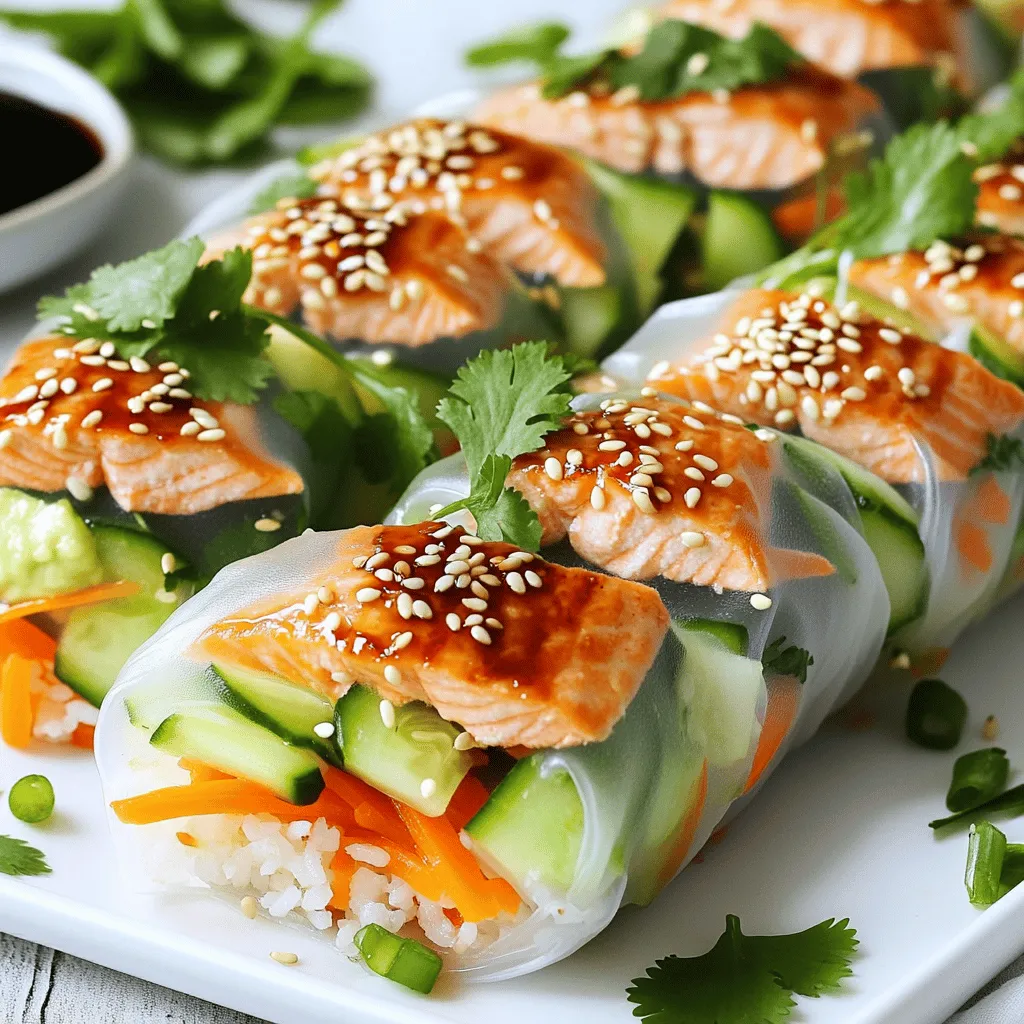
- 200g fresh salmon fillet, skin removed - 1/4 cup teriyaki sauce - 8 rice paper wrappers - 1 cup cooked jasmine rice, cooled - 1 medium cucumber, julienned - 1 large carrot, julienned - 1 avocado, sliced - Fresh cilantro or mint leaves - Sesame seeds for garnish To make Teriyaki Salmon Rice Paper Rolls, you need fresh salmon. This will give you the best taste and texture. Teriyaki sauce adds a sweet and savory flavor that pairs well with the salmon. Rice paper wrappers hold everything together and are fun to eat. Next, you need some additional ingredients. Cooked jasmine rice acts as a filling base. Cucumber and carrot add crunch and freshness. Sliced avocado brings creaminess to each bite. Fresh herbs like cilantro or mint add a burst of flavor. Finally, sesame seeds sprinkle on top for a nice touch. When you gather these ingredients, you set the stage for a great meal. Each component plays a role in the taste and look of the rolls. Plus, they are colorful and healthy! You can serve these rolls as a main dish or an appetizer. To start, take your fresh salmon fillet and place it in a shallow dish. Pour 1/4 cup of teriyaki sauce over the salmon. Ensure the fish is fully coated. Let it marinate for at least 15 minutes. This time lets the salmon soak up the flavor. Next, preheat your grill pan over medium-high heat. Remove the salmon from the marinade but save the marinade for later. Grill the salmon for about 4-5 minutes on each side. You want it to flake easily with a fork. Once it’s cooked, set it aside to cool slightly. Then, flake it into bite-sized pieces. In a bowl, combine 1 cup of cooked jasmine rice, the julienned cucumber, and carrot. Add the sliced avocado. Gently mix everything together. Be careful not to mash the avocado; you want nice pieces for the rolls. For a fresh touch, toss in some cilantro or mint leaves. Fill a large shallow dish with warm water. Dip one rice paper wrapper into the water for about 10-15 seconds. You want it softened but not too mushy. Carefully take it out and lay it flat on a clean surface. This is key for easy rolling. Now, it’s time to assemble! Place a small handful of your rice and veggie mixture in the center of the softened rice paper. Add a few pieces of the grilled salmon on top. Drizzle a little of the reserved teriyaki marinade for extra flavor. Fold the bottom of the rice paper over the filling. Next, fold in the sides. Then, roll tightly from the bottom to the top. Make sure everything is snug inside. Repeat this step until you have used all the rice paper wrappers and filling. Arrange the completed rice paper rolls on a serving platter. Drizzle some extra teriyaki sauce on top. To finish, sprinkle sesame seeds for garnish. These rolls are not just tasty, but they also look amazing on the plate! To make the best Teriyaki Salmon Rice Paper Rolls, avoid common mistakes. One mistake is over-soaking the rice paper. This makes it too soft and hard to handle. Soak for only 10-15 seconds. Another mistake is adding too much filling. Too much filling makes rolling difficult. Aim for a small handful of ingredients. For a tighter roll, start by placing the filling in the center. Fold the bottom up over the filling first. Then, tuck in the sides neatly. Finally, roll from the bottom to the top. Keep it tight as you roll. You can boost flavor with tasty extras. Try adding sliced bell peppers or sprouts for crunch. You can also add a dash of lime juice for tang. Consider these spices and sauces for extra flavor: - Sriracha for heat - Garlic powder for depth - Sesame oil for richness These additions can make your rolls even more delicious. Serve your rice paper rolls with tasty sides. A light salad with a sesame dressing pairs well. You can also serve edamame for a fun touch. For drinks, consider green tea or a light sparkling water. These drinks complement the flavors without overpowering them. Enjoy your meal! {{image_2}} You can change the protein in your rice paper rolls. Try chicken or tofu instead of salmon. Both options work well with teriyaki sauce. They offer different flavors and textures. If you want a different sauce, try hoisin or peanut sauce. Both add a unique taste to the rolls. If you need a gluten-free option, check your teriyaki sauce. Some brands contain gluten. Use a gluten-free soy sauce for a safe choice. For a vegan version, swap the salmon for marinated tofu. You can also use a vegan teriyaki sauce. This way, you keep all the great taste without animal products. To make your rolls more exciting, add fresh herbs. Basil or dill can work well with the other flavors. You can also try adding more veggies. Thinly sliced bell peppers or shredded red cabbage add crunch and color. These simple changes can elevate your dish and make it even more delicious. To store leftovers, place your rice paper rolls in a single layer. Use an airtight container to keep them fresh. Avoid stacking the rolls, as they may stick together. You can wrap each roll in plastic wrap for extra protection. You can freeze rice paper rolls, but they may lose some texture. To freeze, wrap each roll in plastic wrap and place them in a freezer bag. Remove as much air as possible. For reheating, let them thaw in the fridge overnight. Then, reheat in a warm pan for a few minutes. In the fridge, expect your Teriyaki Salmon Rice Paper Rolls to last about 2-3 days. Look for signs of spoilage like a sour smell, slimy texture, or discoloration. If you see any of these signs, it’s best to discard the rolls. Enjoy your tasty creation while it’s fresh! To prevent rice paper from sticking, follow these tips: - Use warm water to soften the rice paper. - Soak each wrapper for only 10-15 seconds. - Lay them flat on a clean surface. - Keep them separated with parchment paper if stacking. If you notice sticking, try using a little oil on your hands or the surface. This can help. Yes, you can prepare these rolls ahead of time. Here are the best practices: - Store uncut rolls in an airtight container. - Use parchment paper between each roll to avoid sticking. - Keep them in the fridge for up to 24 hours. If you want to prep the filling, you can do that a day in advance too. Just keep it in the fridge. Some great dipping sauces include: - Soy sauce with a splash of lime. - Spicy mayo with sriracha and mayo. - Peanut sauce for a rich, nutty flavor. You could also drizzle extra teriyaki sauce over the rolls for added flavor. Yes, you can use cooked salmon. If you do, make these adjustments: - Flake the cooked salmon into small pieces. - Skip the marinating step since it’s already cooked. - You might want to add a bit more sauce for flavor. Cooked salmon works well, but fresh will give a better texture. To check if salmon is cooked right, look for these signs: - The salmon should be opaque and not translucent. - It should flake easily with a fork. - The internal temperature should reach 145°F (63°C). If you follow these signs, you'll have perfectly cooked salmon for your rolls. In this article, I guided you through making Teriyaki Salmon Rice Paper Rolls. We covered key ingredients like fresh salmon, rice paper, and vibrant veggies. I shared step-by-step instructions, tips, and storage advice to help you succeed. Enjoy creating various flavors or adjusting ingredients to meet your tastes. These rolls are fresh, healthy, and fun to make. Try them for your next meal or gathering!