


Latest & Greatest

browse recipes

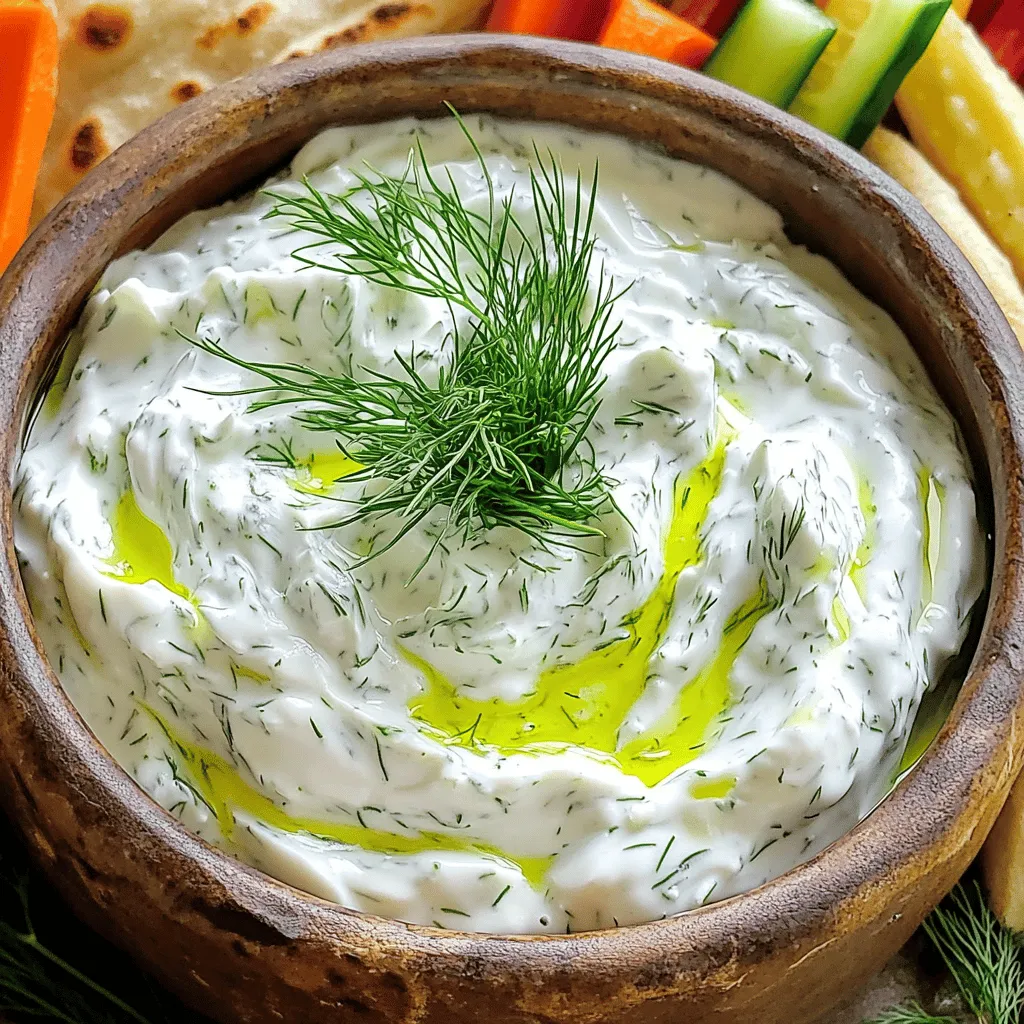
- 1 cup full-fat Greek yogurt - 1 medium cucumber, grated and excess moisture squeezed out - 2 cloves garlic, minced - 1 tablespoon olive oil - 1 tablespoon fresh dill, finely chopped - 1 tablespoon lemon juice - Salt and pepper to taste When making tzatziki, the ingredients shine through. Full-fat Greek yogurt is key for a creamy base. It gives the sauce that rich texture. The cucumber adds freshness and crunch. Always grate the cucumber and squeeze out the moisture. This step keeps your tzatziki from becoming watery. Garlic is a must for flavor. Freshly minced garlic brings a punch that I adore. Olive oil adds richness and helps blend the flavors. Fresh dill gives a lovely herbal note. I always use fresh when possible. Lemon juice brightens the sauce and adds zing. Lastly, season with salt and pepper to enhance all these flavors. These ingredients come together to create a vibrant, fresh sauce. You can find the full recipe to guide you through the process. Enjoy making it! Start by grating the cucumber. Use a box grater for quick work. After grating, you must remove excess moisture. This step is crucial for a creamy tzatziki. Place the grated cucumber into a clean kitchen towel. Squeeze it tightly to eliminate as much water as possible. If you skip this, your tzatziki may become watery. In a mixing bowl, add 1 cup of full-fat Greek yogurt. This yogurt gives a rich and creamy base. Next, stir in the grated cucumber. Make sure it mixes well with the yogurt. Now, add 2 cloves of minced garlic for flavor. Garlic adds a nice kick to the sauce. Then, drizzle in 1 tablespoon of olive oil. Follow this with 1 tablespoon of fresh dill and 1 tablespoon of lemon juice. Stir everything together until well combined. This blend creates a fresh, vibrant flavor. Now, it’s time to season your tzatziki. Add salt and pepper to taste. Adjust it based on your preference. Once seasoned, cover the bowl and refrigerate for at least 30 minutes. This chilling time helps the flavors meld beautifully. After chilling, your tzatziki is ready to serve. Enjoy it with pita bread, veggie sticks, or grilled meats. For the full recipe, refer to the earlier section. To make great tzatziki, you must remove moisture from the cucumber. Too much water makes the sauce runny. Grate the cucumber, then squeeze it in a clean towel. This step is key for a thick, creamy texture. The fresher the cucumber, the better your sauce will be. You can boost the taste of tzatziki with extra herbs and spices. Dill is a classic choice. Try adding mint for a refreshing twist. A pinch of cumin gives a warm depth. You might also like a dash of paprika for color and flavor. Experiment to find your favorite mix! Tzatziki pairs well with many dishes. It’s perfect with grilled meats, like lamb or chicken. Use it as a dip for pita bread or veggie sticks. You can also spread it on sandwiches or wraps for a creamy touch. It adds a fresh flavor to any meal. For a fun twist, serve it in a rustic bowl, drizzled with olive oil. {{image_2}} You can easily make tzatziki sauce healthier. Just swap the full-fat yogurt for low-fat yogurt. This change cuts fat but keeps the creamy texture. You can also try plant-based yogurts. Look for options made from almond or coconut milk. These can give a different flavor and still taste great. Want to mix things up? Add different herbs or spices to your tzatziki. Mint adds a fresh taste. You can also try cumin for warmth. A hint of smoked paprika gives a nice twist. Each option changes the flavor and makes it unique. Experiment to find the blend you love most. Think about flavors from other cuisines to jazz up tzatziki. Try adding a splash of soy sauce for an Asian twist. You could also mix in some harissa for a North African kick. Each of these ideas gives tzatziki a new life and makes it exciting to eat. To keep your tzatziki sauce fresh, store it in an airtight container. This helps protect it from air and other smells in the fridge. Make sure to use a clean spoon each time you scoop it out. This avoids adding bacteria to your sauce. Always cover the container tightly. Tzatziki sauce stays good in the refrigerator for about 3 to 5 days. After this time, the flavors may start to fade, and the texture can change. If you see any signs of spoilage, like mold or unusual smells, it’s best to throw it away. Always check before you use it. Yes, you can freeze tzatziki sauce! However, it may change in texture after thawing. To freeze it, place the sauce in a freezer-safe container. Leave some space at the top for expansion. You can also freeze it in ice cube trays for easy portions. When you’re ready to use it, thaw it in the fridge overnight. Stir well before serving. For the best taste, try to use it within two months. For the full recipe, check out the Crisp & Creamy Classic Tzatziki Sauce. Tzatziki sauce is fresh and tasty. It comes from a mix of simple ingredients. Here’s what you need: - 1 cup full-fat Greek yogurt - 1 medium cucumber, grated and excess moisture squeezed out - 2 cloves garlic, minced - 1 tablespoon olive oil - 1 tablespoon fresh dill, finely chopped - 1 tablespoon lemon juice - Salt and pepper to taste Each ingredient adds a unique flavor. Greek yogurt gives it creaminess. Cucumber adds crunch and freshness. Garlic brings a nice zing. Olive oil adds richness, while dill and lemon juice brighten the taste. Tzatziki sauce stays good in the fridge for about 3 to 5 days. Make sure to store it in an airtight container. This keeps out air and other smells. If you see any changes in color or smell, it’s best to throw it away to stay safe. Yes, you can make tzatziki sauce ahead of time! It tastes even better after sitting for a while. I suggest making it at least 30 minutes before serving. This allows the flavors to mix well. You can also prepare it the day before for a party. Just keep it chilled in the fridge until you’re ready to serve. Tzatziki sauce goes great with many dishes. Here are some tasty ideas: - Grilled meats, like chicken and lamb - Pita bread or pita chips - Fresh veggies, like carrots and cucumbers - Gyros or wraps - Falafel Try it as a dip or a condiment. Its cool, fresh taste adds something special to any meal. For the full recipe, check out the earlier section! In this blog post, we explored the recipe for tzatziki sauce. We discussed the main and additional ingredients, providing step-by-step instructions. I shared tips for the best consistency and flavor. You discovered exciting variations and best storage practices. Tzatziki sauce is easy to make and a great addition to many meals. Try it with grilled foods, wraps, or as a dip. With a few simple tweaks, you can make it your own. Enjoy crafting this refreshing sauce!

Classic Tzatziki Sauce Fresh and Flavorful Recipe

If you’re craving a fresh and flavorful dip, look no further than classic tzatziki sauce. This simple recipe combines creamy Greek yogurt with cool…

My Latest Desserts

My Latest Recipes

hey,

i’m !

I’m so happy you’re here!

Cooking is my love language, and I’m excited to share my best dishes with you. Hope they become your favorites too! Let’s enjoy every bite of this journey together.

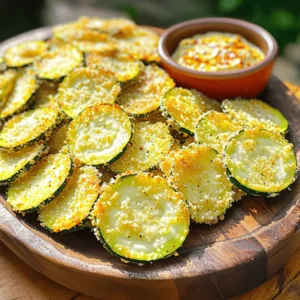
Crispy Coconut Chicken Tenders Perfect for Dinner

If you’re searching for a dinner recipe that’s both easy and delicious, look no further! Crispy Coconut Chicken Tenders are a fun twist on…

To make crispy coconut chicken tenders, you need the following: - 1 lb chicken breast, cut into tenders - 1 cup shredded coconut (unsweetened) - 1 cup breadcrumbs (preferably panko for extra crunch) - 1/2 cup all-purpose flour - 2 large eggs - 1 teaspoon garlic powder - 1 teaspoon onion powder - 1 teaspoon paprika - Salt and pepper to taste - Cooking spray or oil for frying You can change some ingredients if needed. Use almond flour instead of all-purpose flour for a gluten-free option. If you want a different flavor, try sweetened coconut or add some cayenne pepper for heat. You can also replace chicken with turkey or tofu for a vegetarian dish. Using fresh chicken is key for the best taste. Look for chicken that is firm and pink. For coconut, choose unsweetened shredded coconut for a nice crunch without extra sugar. Panko breadcrumbs work best for crispiness, but regular breadcrumbs can also work. Fresh spices like garlic and onion powder will bring out more flavor. Quality ingredients make a big difference in your final dish. For the full recipe, check out the cooking instructions! First, gather your ingredients. You need chicken, coconut, breadcrumbs, flour, and spices. Cut the chicken into tenders and set them aside. Preheat your oven to 400°F (200°C). Line a baking sheet with parchment paper. This keeps the tenders from sticking. Next, set up your breading station. In one bowl, place the flour. In another bowl, whisk the eggs until smooth. In a third bowl, mix the shredded coconut, breadcrumbs, garlic powder, onion powder, paprika, salt, and pepper. This mixture will give the tenders their crunchy coating. Now it’s time to bread the chicken. Take a chicken tender and dredge it in the flour. Shake off any extra flour. Then, dip it into the whisked eggs, making sure it gets fully coated. Finally, press the chicken into the coconut-breadcrumb mixture. Make sure it’s evenly covered. Place the breaded chicken tenders on your prepared baking sheet. Lightly spray them with cooking spray or drizzle a bit of oil on top. This will help them crisp up in the oven. Bake the tenders for about 20 to 25 minutes. Flip them halfway through to ensure even cooking. They should be golden brown when done. To get that perfect crunch, use panko breadcrumbs. They are lighter and crispier. Also, make sure to coat the chicken well. The more even the coating, the better the crispiness. Using cooking spray or oil will help brown the breading. If you follow these steps, you’ll have tenders that are crispy on the outside and juicy on the inside. For a full recipe, check the section above. Enjoy your delicious Crispy Coconut Chicken Tenders! To make the best crispy coconut chicken tenders, follow these simple steps. First, set up your breading station. Use three bowls for this. In the first bowl, place flour. In the second, whisk the eggs. In the third, mix coconut, breadcrumbs, and spices. This setup helps you coat chicken evenly. When you bread the chicken, dredge it in flour first. Shake off the extra flour. Then, dip it in the egg. Make sure the chicken is fully coated. Finally, press it into the coconut mixture. This step is key for a crunchy texture. Cooking chicken tenders at the right temperature is vital. Preheat your oven to 400°F (200°C). Line a baking sheet with parchment paper. Place the breaded chicken on this sheet. Lightly spray them with cooking spray or drizzle oil on top. This tip adds crispiness. Bake the tenders for 20-25 minutes. Flip them halfway through for even cooking. You want them golden brown and cooked through. Use a meat thermometer to check the internal temperature, which should be 165°F (74°C). Serve your crispy coconut chicken tenders with tasty dips. Honey mustard or sweet chili sauce works well. These dips add extra flavor. For a nice touch, garnish your plate with fresh cilantro or parsley. This makes your meal look colorful and inviting. Enjoy these tenders with a fresh salad or rice for a full dinner experience. For the full recipe, check the earlier section. {{image_2}} You can switch the chicken with shrimp or tofu. Shrimp gives a sweet taste. Tofu adds a nice crunch and is great for vegans. Just follow the same steps for breading and baking. Mix things up with spices like curry or lime zest. Add a pinch of cayenne for heat. For a sweeter touch, try adding a little honey to the egg mix. These changes will make your tenders even more fun. To make this recipe gluten-free, use almond flour instead of regular flour. Use gluten-free breadcrumbs too. For a low-carb option, try crushed pork rinds instead of breadcrumbs. These swaps keep the taste while fitting your diet. For the full recipe, check out the detailed instructions. After your meal, let the chicken tenders cool down. You can store them in an airtight container. Place a paper towel in the container. This helps absorb moisture and keeps them crispy. Store the container in the fridge. They should stay fresh for about three days. To reheat, use an oven or an air fryer for the best results. Preheat your oven to 375°F (190°C). Place the chicken tenders on a baking sheet. Heat them for about 10-15 minutes until warm and crispy. If using an air fryer, set it to 350°F (175°C) and cook for about 5-7 minutes. If you want to freeze them, make sure they are completely cool. Place the tenders in a freezer-safe bag or container. Remove as much air as possible to avoid freezer burn. You can freeze them for up to three months. When ready to eat, thaw them overnight in the fridge before reheating. For the best flavor, use them sooner rather than later. For the full recipe, check the detailed cooking steps above. Yes, you can prepare these tenders in advance. Bread the chicken and place it in the fridge. This keeps the breading fresh. When you're ready to eat, bake them straight from the fridge. Just add a few extra minutes to the cooking time. To help the breading stick, make sure the chicken is dry. Pat the chicken with a paper towel before breading. You can also dip each tender in flour, then egg, and then the coconut mixture. Press down firmly on the breading for a good coat. These chicken tenders pair well with many sides. Try a fresh salad, rice, or sweet potato fries. You can also serve them with dipping sauces like honey mustard or sweet chili sauce. For a fun touch, garnish with fresh herbs for color. This post covered everything you need for crispy coconut chicken tenders. We looked at the key ingredients, how to prepare and cook them, and tips for perfect results. You learned about storage and tasty ways to serve this dish. Crispy coconut chicken tenders can be your next family favorite. Use the steps and tips here to make it great. Enjoy cooking!